Vinculin (VCL), a mechanotransducer associated with both adherens junctions (AJs) and focal adhesions (FAs), plays a central role in force transmission through cell-cell and cell-substratum contacts. The conditional knockout (cKO) of vinculin in murine skin was generated resulting in the loss of bulge stem cell (BuSC) quiescence and promotes continual cycling of the hair follicles. Surprisingly, the AJs in vinculin cKO cells were found to be mechanically weak and impaired in force generation despite increased junctional expression of Ecadherin and a-catenin. Mechanistically, the vinculin functions were demostrated by keeping a-catenin in a stretched/open conformation, which in turn regulates the retention of YAP1, another potent mechanotransducer and regulator of cell proliferation, at the AJs. Altogether, the data in this article provide mechanistic insights into the hitherto-unexplored regulatory link between the mechanical stability of cell junctions and contact-inhibition-mediated maintenance of BuSC quiescence.

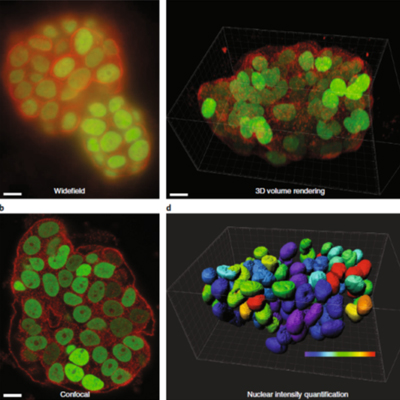
Figure 1. Status of cell-cell junctions in hair follicles and phenotype of VCL cKO in skin epidermis (A and F) Ctrl telogen-anagen (T/A) transition (P22) and telogen (P52) HFs labeled with CD34 (green), Ki67 (red), and DAPI (blue). (B and G) Ctrl (T/A) transition and telogen HFs labeled with E-cad (green), phalloidin (red), and DAPI (blue).
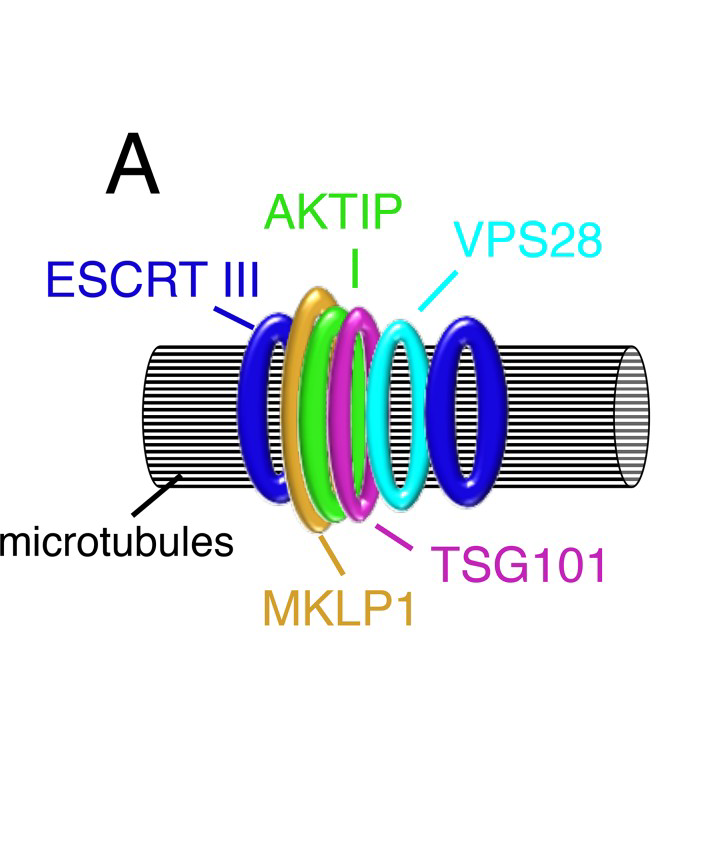
This article seeks to identify a causal link between loss of mechanically stable adherens junctions (AJs) and the failure to maintain bulge stem cell quiescence in cKO of vinculin in the skin. Mechanistically, vinculin keeps a-catenin in a stretched/open conformation that sequesters the potent cell-cycle regulator YAP1 to the junctions. The article states that cKO of vinculin in skin resulting in loss of bulge stem cell quiescence as well as VCL-KO cells being impaired in force generation, results in mechanically weak AJs. Vinculin keeps a-catenin in a stretched/open conformation that localizes YAP1 to AJs and Mechanically stable AJs maintain of stem cell quiescence via contact inhibition.
The full article can be accessed here.
1 Institute for Stem Cell Science and Regenerative Medicine (inStem), GKVK Campus, Bangalore 560065, India. 2 SASTRA University, Thanjavur, Tamil Nadu 613401, India. 3 Skin Research Institute of Singapore (A*STAR), Singapore 138648, Singapore. 4 Department of Physics, National University of Singapore, Singapore 117542, Singapore. 5 University of California, San Diego, La Jolla, CA 92093, USA. 6 A*STAR Microscopy Platform, Skin Research Institute of Singapore (A*STAR), Singapore 138648, Singapore. 7 Fred Hutchinson Cancer Research Center, Seattle, CA 19024, USA. 8 Mechanobiology Institute, National University of Singapore, Singapore 117411, Singapore. 9 These authors contributed equally. 10 Lead contact.